
BitcoinWorld
US and Iran on Verge of Agreement, Signing Expected Within Days, Official Says
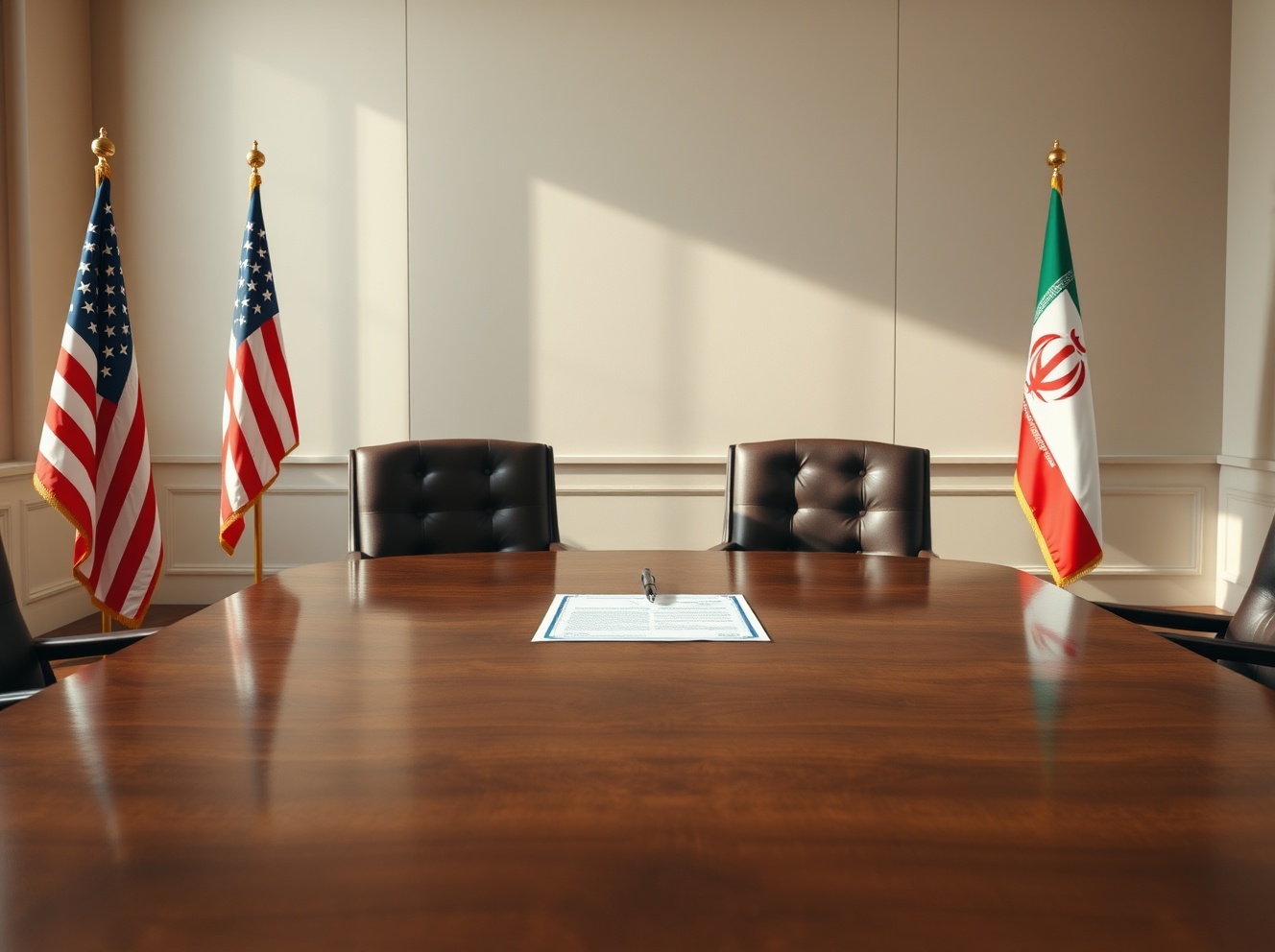
Washington — The United States and Iran are on the cusp of a formal agreement to de-escalate their long-running conflict, with a signing ceremony expected within days, a senior U.S. official told Reuters on June 12. The development marks the most significant diplomatic breakthrough between the two nations in years, carrying profound implications for global energy markets, Middle East stability, and nuclear nonproliferation efforts.
The official, who spoke on condition of anonymity, stated that while a complete deal has not yet been finalized, the negotiating team has secured terms that align with President Donald Trump’s core objectives. A memorandum of understanding (MOU) is expected to be signed imminently, outlining the key concessions and obligations from both sides.
Key Terms of the Memorandum of Understanding
According to the official, the MOU includes two critical components: the reopening of the Strait of Hormuz, a vital chokepoint for global oil shipments, and the lifting of the U.S. naval blockade on Iranian ports. These measures would restore normal maritime traffic and trade flows in the region, potentially easing supply chain pressures and lowering energy prices.
On the nuclear front, the agreement stipulates that Iran’s stockpile of highly enriched uranium will be destroyed locally before being shipped out of the country. This phased approach is designed to ensure verifiable compliance while preventing the diversion of nuclear materials. The official emphasized that Iran will not receive any economic compensation merely for signing the MOU or participating in negotiations. Instead, tangible rewards will be disbursed only after Iran fulfills its obligations.
“If Iran hands over its nuclear material as promised, it will receive a corresponding reward,” the official explained. “It will receive further compensation if it dismantles its nuclear program or facilities.” This performance-based structure is intended to prevent past failures where agreements were signed but not fully implemented.
Strategic Implications and Market Reactions
The potential deal has already sent ripples through global oil markets. The Strait of Hormuz, through which approximately 20% of the world’s petroleum passes, has been a flashpoint for tensions. A reopening would reduce the risk of supply disruptions and could lead to a decline in crude oil prices, benefiting consumers worldwide.
For Iran, the lifting of the blockade and the prospect of economic relief come at a critical time. The country has faced severe inflation, unemployment, and public discontent under the weight of U.S. sanctions. The deal offers a potential lifeline for the Iranian economy, though the official made clear that sanctions relief will be incremental and tied to verifiable actions.
For the United States, the agreement represents a shift toward diplomatic resolution after years of maximum pressure tactics. It also addresses a key security concern: preventing Iran from acquiring a nuclear weapon without resorting to military action.
Regional and Global Reactions
Allies in Europe and the Gulf region have cautiously welcomed the news, though many are waiting to see the full text of the MOU. Israel, which has long opposed any deal that leaves Iran with nuclear infrastructure, has expressed skepticism. The agreement’s success will likely depend on robust verification mechanisms and the willingness of both sides to adhere to the timeline.
Conclusion
While a final agreement has not been signed, the proximity of a deal represents a significant inflection point in U.S.-Iran relations. The coming days will reveal whether the MOU can withstand political scrutiny on both sides and translate into lasting, verifiable compliance. For markets, regional stability, and global security, the stakes could not be higher.
FAQs
Q1: What is the Strait of Hormuz and why does it matter?The Strait of Hormuz is a narrow waterway between the Persian Gulf and the Gulf of Oman. It is a critical chokepoint for global oil shipments, with about one-fifth of the world’s petroleum passing through it. Its reopening would reduce the risk of supply disruptions and lower energy costs.
Q2: Will Iran receive sanctions relief immediately after signing?No. According to the senior U.S. official, Iran will not gain any economic benefits simply by signing the MOU. Compensation and relief will only be provided after Iran fulfills its obligations, such as handing over nuclear materials and dismantling facilities.
Q3: What happens to Iran’s enriched uranium under the deal?The agreement requires Iran’s highly enriched uranium to be destroyed locally before being shipped out of the country. This phased approach aims to ensure verifiable compliance and prevent the diversion of nuclear materials.
This post US and Iran on Verge of Agreement, Signing Expected Within Days, Official Says first appeared on BitcoinWorld.
